
2026-05-18 <<
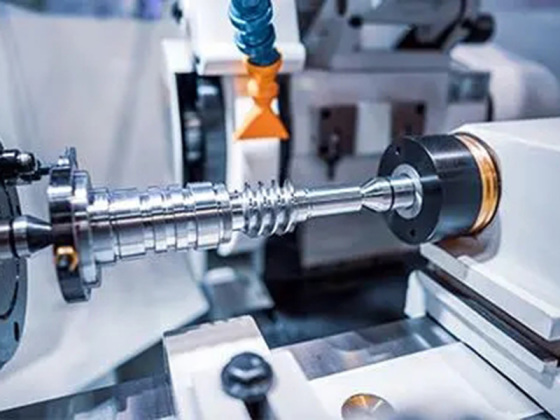
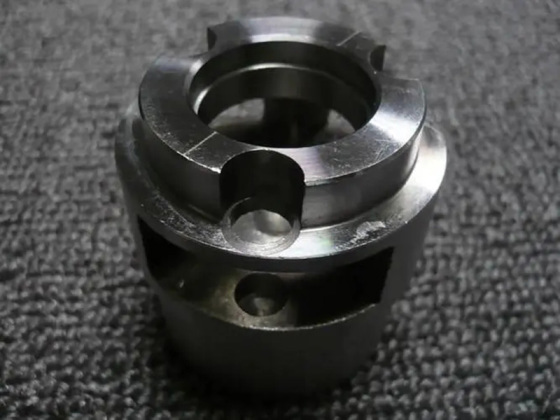
When designing mechanical parts, it is essential to ensure that they not only meet the operational requirements, that is, possess the required working capabilities, but also fulfill the production requirements. Otherwise, they may not be manufacturable, or even if they can be manufactured, it may be labor-intensive and material-consuming, making it uneconomical. Under specific production conditions, if the designed mechanical parts are easy to process and the processing cost is low, such parts are said to have good processability. The basic requirements related to processability are: (1) Reasonable selection of blanks. In mechanical manufacturing, the methods of blank preparation include direct utilization of profiles, casting, forging, stamping, and welding. The selection of blanks is related to specific production technology conditions and generally depends on production volume, material properties, and processing possibilities. (2) Simple and reasonable structure. When designing the structural shape of parts, it is advisable to use simple surfaces (such as planes, cylindrical surfaces, helical surfaces) and their combinations, while also minimizing the number of processing surfaces and the processing area. (3) Specify appropriate manufacturing accuracy and surface roughness. The processing cost of parts increases with the improvement of accuracy, especially in cases of high accuracy, where this increase is significant. Therefore, without sufficient justification, high accuracy should not be pursued. Similarly, the surface roughness of parts should be appropriately specified based on the actual needs of the mating surfaces. To design parts with good processability, designers must collaborate with process technology personnel and be adept at learning from them. In addition, some basic knowledge about processability is provided in metalworking courses and manuals for reference.